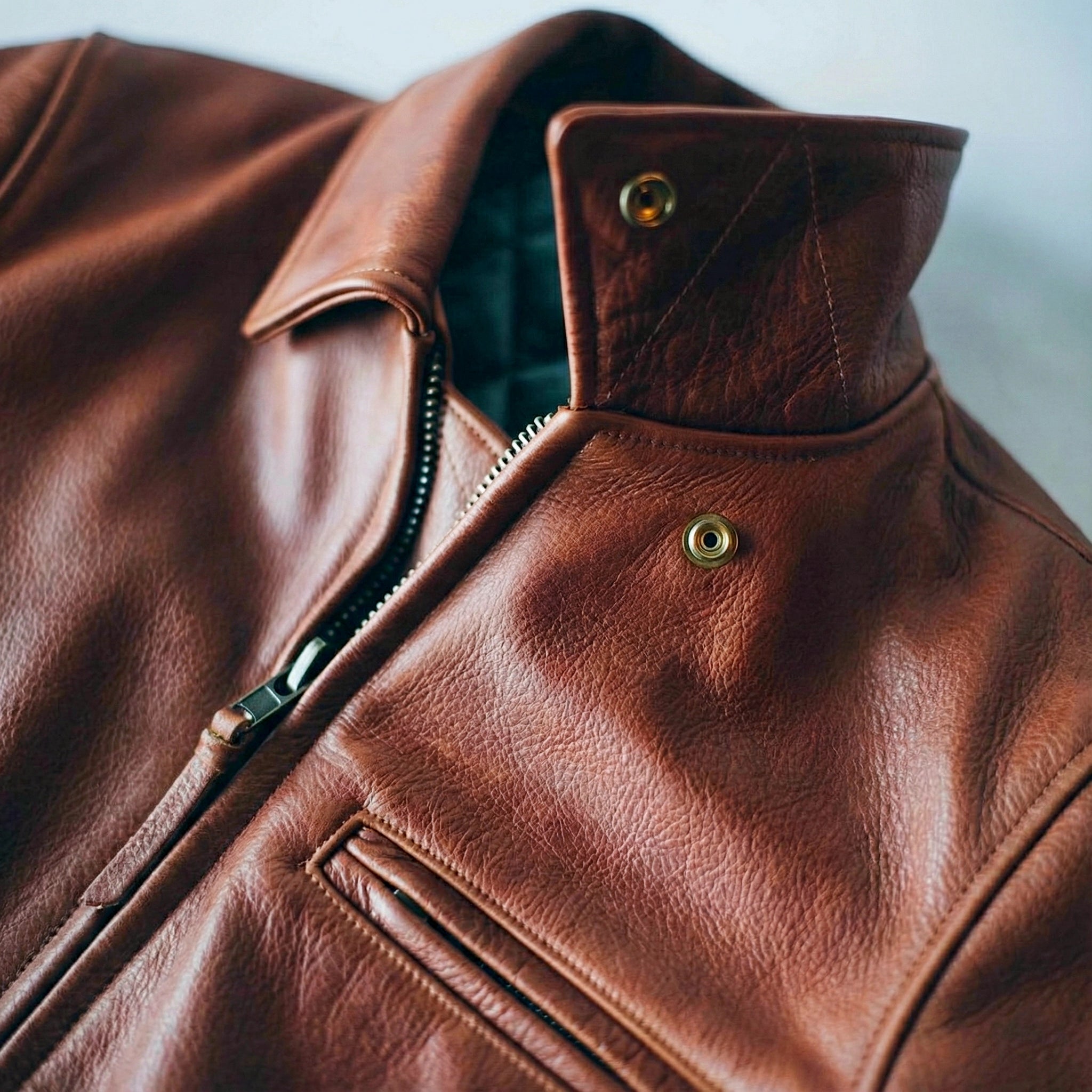

Leather Jacket Care Guide: How to Make It Last 10+ Years

Okay, so you've got yourself a decent leather jacket. Maybe you saved up for it, maybe it was a gift. Either way, you want it to look good for years to come, not just a season or two. That's where a leather jacket care guide comes in. Honestly, most guys don't think about how to properly look after their jackets, and that's why you see so many leather jackets falling apart way too soon.
The thing about leather jackets is they're not like regular clothes. They're built to last if you treat them right. I'm talking about 10, 15, maybe even 20 years of solid wear. It's not some impossible goal either. You just need to know what you're doing and stick to a simple routine. This leather jacket care guide covers everything from cleaning to storage to conditioning. Nothing crazy, just practical stuff that actually works.
A lot of people think leather maintenance is complicated and expensive. That's not true. You don't need fancy products or professional cleaners every month. What you need is consistency and a basic understanding of what leather needs to stay healthy. Do this right, and your jacket becomes something you genuinely love wearing, something that gets better looking as it ages instead of worse.
Why Leather Jacket Care Actually Matters
Alright, let's be real, leather is tough stuff. It's been protecting people for literally hundreds of years. But just because it's tough doesn't mean you can ignore it. Your jacket still needs attention if you want it sticking around.
When you wear your jacket, it picks up dust, sweat, and all kinds of junk. Rain happens too. Over time, without any care, the leather dries out and starts cracking. That's when it goes downhill fast. The leather on a men's cafe racer jackets shows every bit of neglect because they're designed with minimal fabric. No extra material to hide the damage. So if you want to know how to wash a leather jacket safely, you've got to actually pay attention.
Here's the real difference between a jacket that looks solid after five years versus one that's falling apart: someone was taking care of one and not the other. It's that simple. Leather isn't completely maintenance-free like some people think. Put in a little work now, and you save yourself from needing repairs or buying a new jacket later.
Understanding Your Leather Jacket Material
Not all leather is created equal. Your jacket might be full-grain, top-grain, suede, or something else entirely. Each type acts differently and needs slightly different treatment.
Full-grain is the best stuff. It's real leather with the grain still intact, so it gets better looking as it gets older. Top-grain is also solid but has some processing done to it. Then you've got suede and nubuck, which are softer but also more fragile. And yeah, some jackets are faux leather, which is a whole different ballgame.
Check your jacket's tag to see what you're dealing with. Or just ask whoever sold it to you. Knowing your material matters because it tells you which products are safe to use. You wouldn't use the same cleaner on suede that you'd use on full-grain leather, that's asking for trouble.
Basic Storage: Where and How to Keep Your Jacket
Think storage doesn't matter much? Think again. Where you hang your jacket actually makes a real difference in how long it lasts.
Use a padded hanger, not some thin wire thing. Wire hangers dig into leather and create weird creases. A padded wooden hanger spreads the weight out properly. Keep your jacket somewhere cool and dry, away from direct sunlight. Sun will fade the color and make the leather brittle.
Humidity is bad news. Damp air causes mold to grow on leather, and that ruins it. A bedroom closet beats a basement any day. If you live somewhere really humid, throw some silica gel in your closet to soak up moisture. Don't ever store it in plastic bags. Leather needs air. Use a breathable cloth bag if you're worried about dust.
When off-season comes around, give your jacket a quick brush, make sure it's dry, and hang it up properly. Don't just crumple it in a corner somewhere. A little effort during storage prevents damage and keeps your jacket ready to grab whenever you need it.
How to Clean a Leather Jacket Properly
Cleaning your jacket regularly is the foundation of keeping it nice. You don't need to deep clean every week, but light cleaning on a regular basis makes a huge difference.
Start with a soft brush or lint roller and just brush off the dust. Don't scrub hard, you're just removing loose dirt and particles. Pay attention to the seams and creases where stuff builds up. A soft horsehair brush works great if you want to invest in one.
Now, for actually washing it, you need to be careful. Never throw it in a washing machine—that's a recipe for disaster. Instead grab a damp cloth with lukewarm water and a tiny bit of mild soap. A couple drops of dish soap in water does the job. Squeeze out the cloth so it's damp, not dripping, and gently wipe the jacket down.
Focus on the parts that get the most wear: the collar, the cuffs, and where your arms sit against the body. That's where the dirt builds up. If something spills on it, deal with it right away. Blot it first with a dry cloth, then gently clean with your damp cloth. Don't rub hard or you'll damage the surface.
Once you're done, use a clean cloth with plain water to wipe off any soap. Then let it air dry completely. Don't use a hair dryer or put it near heat. That causes cracking and shrinking. It takes a few hours to dry completely, but that's what you've got to do.

Leather Jacket Conditioning: The Secret to Longevity
Alright, conditioning is where a lot of guys mess up. They skip this part, and their jacket ends up drying out and cracking. Think of conditioner as a moisturizer for your leather. It puts back the natural oils that get lost when you wear it.
How often should you do it? Most of the time, once or twice a year works fine. If you're in a really dry place or wearing it all the time, maybe three times. Start with once and see how your jacket looks. You can always do it more.
For products, stick with stuff made specifically for jackets. Oil-based conditioners or leather creams work best. Mink oil is popular, so are leather balms. Test it on a hidden spot first just to be safe. Put a little on a cloth and rub it in, going with the grain of the leather.
Don't use too much. A little bit goes a long way. You want it to soak into the leather, not sit on top being greasy. After you apply it, wait about 10-15 minutes. Then wipe off any extra with a clean cloth. When it's done right, your jacket looks slightly darker and feels much softer.
Conditioning does two things: it protects leather from water and keeps it looking good. Men's quilted jackets need special care in the seams when you condition them, because water can get trapped in those areas if you're not careful.
Dealing with Water and Moisture Damage
Your jacket got wet. It happens. Don't freak out, leather is actually pretty water-resistant if you take care of it. The problem comes when it's wet for a really long time.
If it gets caught in rain, just let it dry on its own at room temperature. It takes a bit of time, but that's the right way to do it. You can pat it dry with a cloth, just don't squeeze or wring it out. Air and open windows help it dry faster. Don't sit it in the sun though, that will fade and damage the leather.
If it gets soaked, same approach but do a bit extra. Stuff newspaper in the sleeves while it dries. The newspaper absorbs moisture. Switch out the newspaper a few times on the first day. Once it's fully dry, condition it to put back the oils that water stripped away.
Salt stains happen a lot in winter. Mix vinegar and water in equal parts, dab it gently on the stain, then wipe clean with a damp cloth and let it dry. That takes care of the salt without harsh scrubbing.
Protecting Your Jacket from Stains and Damage
It's easier to avoid stains than fix them. Some stuff is inevitable, but you can keep a lot of damage from happening if you're smart about it.
Don't eat while wearing your jacket, especially right after you get it. The leather is too porous at first. Once it's broken in and conditioned a few times, it gets much more stain-resistant. Keep pens away from your pockets. A pen leak will trash your jacket fast. Check your pockets before washing anything.
If oil gets on it, sprinkle baking soda on the stain and let it sit overnight. The baking soda absorbs the oil. Brush it off the next day. For tougher stains, use a leather stain remover, but test it somewhere hidden first. Men's hooded jackets catch stains easily because of all the fabric and big surface area. The hood and shoulders are high-risk areas, so watch out there.
Scuffs and small scratches are just part of wearing a jacket. They're character marks. A really deep scratch that shows the layer underneath might need a professional to fix it, but most scratches fade as the leather develops patina and darkens over time.
Making Your Leather Jacket Last 10 Years (And Beyond)
So how have you actually made leather jackets in the last 10 years? It's not rocket science. Just be consistent and stick to the basics.
Don't wear the same jacket every single day if you can help it. Rotate it with other stuff. Give your jacket rest days. Every time you wear it, don't just throw it on a chair when you get home. Hang it up properly.
Look it over now and then. Check the zippers, buttons, and seams. If something's starting to come loose, get it fixed quickly. A button that's barely hanging on will eventually pull threads if you ignore it.
Mark your calendar for cleaning and conditioning. Spring is a good time for a deep clean and condition. Do it again in the fall when you're about to start wearing it more. Regular maintenance keeps everything working right.
Don't leave your jacket in extreme heat or cold for long periods. Heat dries it out. Really cold temps can make it brittle. Too much humidity grows mold. These things won't destroy it if they happen once in a while, but try to keep your jacket in reasonable conditions.
The Payoff: Why This Matters
Here's what people get wrong about leather jackets. They're not like regular clothes. They don't become outdated or worn out if you treat them right. They actually get better. A jacket you buy today can look amazing 10 years from now.
Your jacket molds to your body shape over time. It develops creases and marks that are totally unique to you. The leather darkens and gets a patina that no amount of money can buy new. That's worth maintaining it for. That's worth putting in the effort.
The stuff we've gone over in this guide isn't complicated. Regular light cleaning, conditioning a couple of times a year, storing it right, and quick fixes when stuff happens. That's pretty much it. Most people can do all this and spend maybe 30 minutes a year on it.
Final Thoughts
Your jacket is something you can wear for years. Through seasons, through different parts of your life. But that only happens if you actually take care of it. The thing is, maintenance isn't a drag. It's actually kind of nice to take care of something you own and use regularly.
Start now. Give your jacket a clean, condition it, and just commit to doing it once or twice a year. Your jacket from today can still be your jacket 10 years from now. That's the leather jacket care guide in a nutshell.