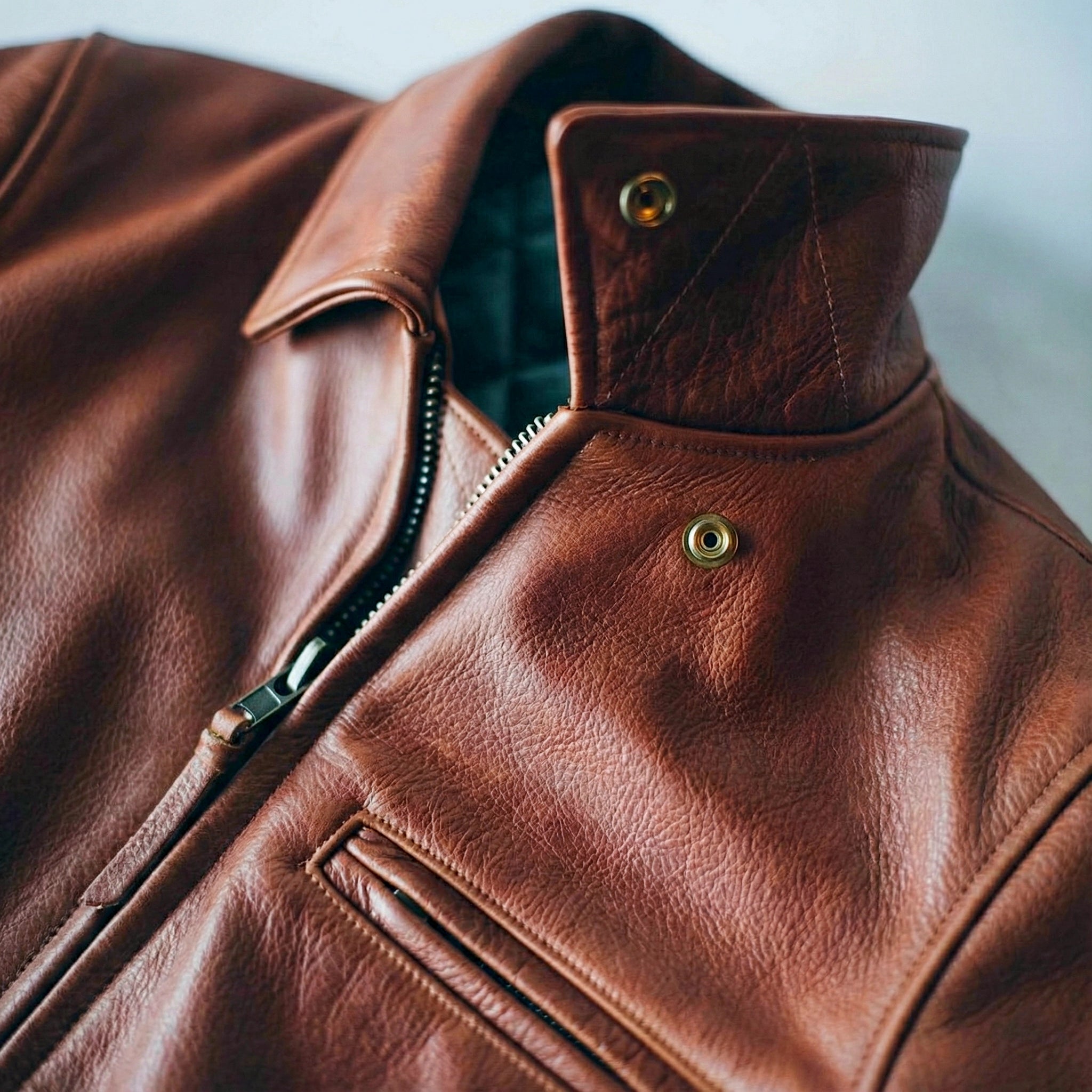

Aviator Jacket History: How a Military Essential Became a Fashion Icon

There are very few pieces of clothing that carry as much weight, literally and figuratively, as the aviator jacket. Born out of necessity, refined through war, and eventually adopted by civilians worldwide, the aviator jacket history is one of the most fascinating stories in fashion. If you've ever wondered how a piece of military gear ended up in your wardrobe, this is where it starts.
The Early Roots: Why Pilots Needed Special Gear
Before the first World War, aviation was barely a decade old. The Wright Brothers flew at Kitty Hawk in 1903, and within a few years, governments were already eyeing aircraft for military use. The problem? Those early cockpits were open. Pilots sat exposed to freezing temperatures at altitude, often flying through winds that cut right through regular clothing. That's where the WW1 aviator jacket came in.
Early flight gear wasn't glamorous. Pilots wore heavy, fur-lined leather coats designed purely to survive the cold. These were bulky, sometimes cumbersome, but they did the job. The leather was thick, often horsehide, and the lining was usually sheepskin or wool. The goal was simple, keep the pilot alive and functional at altitude.
The U.S. military began standardizing flight clothing around 1917. The Aviation Clothing Board was established to create consistent, reliable gear for American pilots. This was the real beginning of what would later become iconic military outerwear.
World War II and the Golden Age of Flight Jackets
If WW1 laid the groundwork, WW2 turned the flight jacket into a legend. The flight jacket history during this era is rich with innovation, military codes, and cultural significance that echoes to this day.
The A-2 jacket, introduced by the U.S. Army Air Corps in 1931, became the defining silhouette of the era. It featured a snap-down collar, fitted waist, and zip-front closure. Made from horsehide or goatskin leather, it was tough without being too heavy. Pilots loved it because it allowed freedom of movement without sacrificing warmth.
Then came the B-3 bomber jacket, designed for high-altitude bombing missions where temperatures could hit -50°F. This one featured a thick shearling lining and was essentially a wearable sleeping bag. The aviator jacket WW2 era gave us both of these styles, and both are still referenced heavily in modern fashion.
Pilots also personalized their jackets, painting mission counts, unit insignia, and pinup art directly onto the leather. These weren't just uniforms; they were personal statements. That culture of customization and identity became a lasting part of the jacket's appeal.
If you're interested in how bomber silhouettes evolved from these military roots, this breakdown of what a bomber jacket is and why every man needs one gives a solid overview of the modern connection.
How aviator jacket types vary
|
A-2 |
B-3 bomber |
G-1 navy |
MA-1 |
|
|
Primary goal |
Pilot mobility & warmth at mid-altitude |
Extreme cold protection at high altitude bombing |
Navy aviator identity & functionality |
Lightweight insulation for jet-age cockpits |
|
Era introduced |
1931 — U.S. Army Air Corps |
1934 — WW2 heavy bomber crews |
1940s — U.S. Navy & Marines |
1950s — post-WW2 jet era |
|
Primary material |
Horsehide or goatskin leather |
Shearling sheepskin inside & out |
Goatskin leather with knit cuffs |
Nylon outer, polyester fill |
|
Lining |
Silk or light wool |
Thick shearling — rated to −50°F |
Wool knit or quilted lining |
Reversible orange nylon lining |
|
Key design detail |
Snap-down collar, zip front, fitted waist |
Wide collar, large front buckle, oversized fit |
Shirt-point collar, zip, knit cuffs & hem |
Knit cuffs & hem, utility pocket on sleeve |
|
Military branch |
U.S. Army Air Corps / Air Force |
U.S. Army Air Forces |
U.S. Navy & Marine Corps |
U.S. Air Force (all branches later) |
|
Civilian crossover |
High — most referenced in fashion |
Medium — shearling revivals in luxury |
High — Top Gun made it iconic |
Very high — adopted by subcultures |
|
Modern fashion status |
Heritage staple — brown leather standard |
Luxury winter coat territory |
Casual-cool, movie-icon credibility |
Streetwear & subcultural classic |
The Korea and Vietnam Era: Nylon Enters the Picture
After WW2, aviation technology advanced rapidly. Jet engines replaced propeller planes, and cockpit environments became more controlled. Pilots no longer needed the same level of insulation. The military responded by shifting materials.
The MA-1 jacket, introduced in the 1950s, was a turning point. Made from nylon instead of leather, it was lighter, more packable, and suited to jet-age cockpits. The air force aviator jacket of this generation, often in sage green with an orange lining, became one of the most recognisable military garments ever produced.
The MA-1's influence spread far beyond military bases. By the late 1960s and into the 1970s, surplus stores were selling them to civilians. Subcultures picked them up fast. Skinheads in the UK, punk scenes in New York, and skaters in California all wore the MA-1. It became a canvas for rebellion, identity, and community.

From Surplus Stores to Runways
The history of flight jackets doesn't move in a straight line from military to mainstream. It zigzags through subcultures, film, and music before landing on the runway.
James Dean wasn't wearing an A-2, but the leather jacket he wore in Rebel Without a Cause (1955) pushed the entire category into the cultural spotlight. Then came films like Top Gun (1986), which practically revived the aviator aesthetic for a new generation. Tom Cruise, in his G-1 navy flight jacket, made the style aspirational again, not just military-adjacent, but outright cool.
Meanwhile, fashion designers were watching. By the late 1980s and into the 1990s, luxury brands were incorporating flight jacket details, snap collars, ribbed cuffs, and bomber silhouettes, into high-fashion collections. The jacket had officially crossed over.
The Leather Tradition in Aviator Styling
Throughout all of this evolution, leather remained central to the aviator jacket history. Even as nylon versions became popular in military use, civilian fashion kept coming back to leather, and there is a reason for that.
Leather ages well. It develops character, a patina that synthetic materials can't replicate. It also carries a visual weight and texture that photographs beautifully and communicates something about the person wearing it.
Many men today who are drawn to mens aviator jackets are responding to that same instinct. The leather version of the aviator jacket signals something specific, history, durability, and an unapologetic masculinity that's hard to fake. Whether it's a classic brown A-2-inspired cut or a sleeker modern interpretation, the leather aviator hasn't lost its authority.
For those exploring different leather styles with similar vintage roots, suede leather jackets for men offer a softer, more textural alternative that sits in the same heritage space.
The Modern Aviator: How It's Worn Today
Today's aviator jacket has shed its strictly military context. It's worn with raw denim and boots for a rugged weekend look. It layers over hoodies for a streetwear-influenced fit. It's been cut slimmer, oversized, cropped, and extended, as fashion keeps reshaping it to match the moment.
The shearling-collar detail, one of the most recognizable elements from WW2-era designs, remains a popular feature. You'll find it on everything from fast-fashion versions to hand-stitched heritage pieces. That detail alone connects a low-cost jacket from a high street store to a piece of genuine military history.
The mens leather bomber jacket is the closest modern relative to the original flight jacket. Same DNA, slightly more refined. Ribbed cuffs, zip closure, and fitted waist all trace back to those early Aviation Clothing Board specifications from over 100 years ago.
There are also contemporary interpretations that play with unexpected details. Some designers have added hoods, blending the functionality of a mens hooded leather jacket with the classic aviator silhouette. It's a practical update that keeps the core aesthetic intact while adapting to modern wear.

Flight Jacket History and Its Influence on Biker Culture
One thing that often gets overlooked in the flight jacket history is its relationship to motorcycle culture. After WW2, a large number of veterans, many of whom had worn flight jackets throughout the war, returned home and took up motorcycling. They brought their jackets with them.
The crossover between aviator and moto aesthetics is significant. Both cultures valued leather, durability, and a certain disregard for comfort in pursuit of experience. The biker jackets for men that became popular in the 1950s share a common ancestor with the aviator jacket, the same leather-first thinking and the same no-nonsense construction philosophy.
Marlon Brando's look in The Wild One (1953) was pure moto. But the underlying attitude, the leather and the cool detachment, was already being shaped by returning aviators who had worn that aesthetic into combat. Culture doesn't develop in clean compartments, it overlaps and evolves.
Aviator jacket history across eras
|
WW1 (1914–18) |
WW2 (1939–45) |
Jet age (1950s–60s) |
Hollywood (1970s–80s) |
Runway (1990s–2000s) |
Modern (2010–now) |
|
|
Primary goal |
Pilot survival in open cockpits |
Warmth, identity, unit pride |
Light insulation for jet cockpits |
Aspirational cool via film |
Fashion statement, luxury signal |
Style, heritage, everyday wear |
|
Target wearer |
Military pilots only |
Military pilots & bomber crews |
Military → surplus buyers, subcultures |
Civilians inspired by film icons |
Fashion-conscious consumers |
All men — mass to luxury market |
|
Material focus |
Heavy horsehide, fur lining |
Horsehide, goatskin, shearling |
Nylon outer, polyester fill |
Leather revival — A-2 & G-1 styles |
Premium leather, shearling trim |
Full-grain leather, suede, nylon |
|
Key silhouette |
Long, bulky, fur-lined coats |
A-2 fitted / B-3 oversized shearling |
MA-1 — slim, utility sleeve pocket |
Fitted A-2 and G-1 silhouettes |
Slim bomber with designer details |
Multiple — slim, crop, oversized |
|
Cultural role |
Purely functional uniform |
Personal identity, mission art |
Rebellion — punk, skinhead, skate |
Movie icon — aspirational hero |
Runway trend — high fashion |
Heritage staple, cross-market icon |
|
Key influence |
Aviation Clothing Board (1917) |
A-2 jacket (1931), B-3 (1934) |
MA-1 (1950s), surplus culture (1960s) |
Top Gun (1986), Rebel Without a Cause |
European luxury houses |
Heritage brands + streetwear labels |
|
Blogger / marketer |
N/A — no civilian market |
N/A — wartime only |
Surplus store owners, music press |
Film marketing, men's magazines |
Fashion editors, PR teams |
Social media, SEO content, influencers |
|
Budget range |
Government-issued, no cost to pilot |
Government-issued |
$5–$20 surplus — very affordable |
$80–$300 civilian retail |
$300–$3,000+ designer |
$60 (fast fashion) to $2,500+ (heritage) |
Why the Aviator Jacket Still Matters
Fashion is full of trends that spike and disappear. The aviator jacket is not one of them. It has survived a century of style shifts because it isn't based on trend, it is based on function that became aesthetic.
It was designed to protect people doing dangerous, serious work. That origin gives it a kind of credibility that purely decorative garments never develop. When you wear an aviator jacket, you're wearing something that was pressure-tested in the worst possible conditions and still looked good doing it. That's a hard thing to manufacture artificially.
Conclusion
The aviator jacket history is more than a fashion story, it is a record of how humans adapt to pressure, danger, and change. From the open cockpits of WW1 biplanes to the jet-age surplus stores of the 1960s, from punk scenes to Paris runways, this jacket has moved through culture without ever losing its core identity.
It's been worn by soldiers, rebels, actors, and designers. It's been made from horsehide, goatskin, nylon, and shearling. It's been slim-cut and oversized, plain and heavily customized. Through all of that, it remains one of the most honest garments in men's fashion, functional first, stylish by consequence. That's the story of the aviator jacket. And it's still being written.